Philips LHH2000The Professional Standard that Legitimsed the Digital Age
February 10, 2026
The Philips LHH2000 was created for people who worked with sound every day. Developed for broadcast studios, it was designed to make Compact Disc reliable under real working conditions. Timing, access behaviour, and operational control mattered more than comfort or appearance.
This page looks at the LHH2000 as more than a CD player, and explores how Philips approached digital audio when it had to perform without excuses.
In the history of high-fidelity audio, 1982 marked a clear turning point. That was the year the Compact Disc was introduced to the public. For music listeners, the change from vinyl to CD was mainly about convenience and clarity. No more surface noise, no more worn grooves. Just digital sound.
For the professional world of radio and recording studios, the story was different. Engineers and broadcasters were not easily convinced. They were used to equipment that allowed precise control. A DJ could cue a record by hand and start it exactly at the right moment. Early consumer CD players did not offer that level of control.
While the public discovered the CD through players such as the Philips CD100 and the Marantz CD-63, Philips was already working on something very different. Behind the scenes, engineers were developing a professional system designed for the demanding environment of radio studios. That system became the Philips LHH2000 Professional Compact Disc Player System.
The Context: Bridging the Analogue-Digital Divide
When Compact Disc first appeared in the early 1980s, it was an impressive technical achievement. But in daily studio work it still felt unfamiliar.
For decades radio studios had worked with vinyl records. DJs could move a record back and forth with their hands to find the exact starting point. When the moment came, they could release the record and the music would start instantly.
Philips, the inventor of the optical disc, understood that the CD would only succeed in professional environments if it could fit into existing studio workflows. The goal was not simply to play music digitally, but to give operators the same level of control they were used to with analogue equipment.
The development of the LHH2000 was therefore placed within Philips’ Product Group Optical Disc Mastering. This division was responsible for the equipment used to produce compact discs themselves. The same engineers who worked on mastering technology were now designing a professional playback system.
Within that family, the LHH2000 became the professional playback counterpart.
Philips LHH2001 cdplayer
A System, Not Just a Player
One of the most distinctive aspects of the LHH2000 is that Philips did not present it as a single CD player. It was described as a Compact Disc Player System.
In a radio studio reliability is essential. If a single device fails, an entire broadcast can be disrupted. The LHH2000 was therefore designed as a modular system that could be configured in several ways.
Multiple drive units could be connected to a central command module. Depending on the needs of the studio, operators could work with one, two, or even three drives.
This allowed several working setups:
Single: One player, one command module.
Dual: Two players, one command module (for cross-fading and sequencing).
Triple: Three players managed by a single operator.
With this structure a DJ could prepare the next track while another one was playing. It also created redundancy, which is critical in live broadcasting.
May 1987. Martijn Krabbé at the Dutch Hilversum 3 studio
Understanding the Philips LHH2000
What exactly was the Philips LHH2000? A professional Compact Disc playback system developed by Philips and NOS for broadcast and studio use, with a strong focus on timing accuracy and reliability.
Why was modularity so important? It allowed operators to prepare and play discs at the same time, simplified servicing, and made the system flexible in different studio setups.
Why does the Philips LHH2000 still matter today? Because it shows a careful and practical approach to digital audio at a time when the format was still new.
The CDM-E Mechanism and RaPos Technology
The mechanical superiority of the Philips LHH2000 was driven by its specialized drive unit, officially catalogued in service documentation as the LHH2060 ("CD-mechanics with radial positioner"). At the heart of this assembly lay a specialized drive unit, designated as the CDM-E (with variants such as the CDM0-E and CDM1-E). Unlike the motorized drawer mechanisms found in consumer equipment, the CDM-E was designed as a robust, top-loading module. This architecture allowed for rapid disc changes via a hydraulically damped lid, crucial for the high-pressure environment of live broadcasting.
The mechanical superiority of the CDM-E was driven by the integration of RaPos (Radial Positioner) technology. While standard Philips swing-arm mechanisms were already renowned for their tracking ability, the professional CDM-E incorporated RaPos to drastically reduce seek times. This system utilised a specialized sensor on the optical focus unit to rapidly scan and locate tracks with extreme precision.
By combining the heavy-duty construction of the CDM-E with the high-speed servo control of RaPos, the system achieved an access time of less than two seconds to any point on the disc. More importantly, it allowed for cueing accuracy down to 13.3 milliseconds (one frame), transforming the Compact Disc from a consumer playback format into a precision tool for professional manipulation.
LHH2060 CDM-E - CD-mechanics with radial positioner
The CD Player Unit: Built for the Studio
The drive unit of the LHH2000 immediately shows that it was designed for professional use.
Instead of the drawer mechanism common in consumer CD players, Philips chose a top-loading design. In a studio environment this was more practical and more robust. A fragile tray could easily break in daily use.
The drive units were compact enough to fit two units side-by-side in a standard 19-inch rack. Opening the lid automatically rotated the turntable to make disc changes quick and simple.
Inside the player Philips used the famous CDM-0 and later CDM-1 swing-arm mechanisms (in their professional CDM0-E and CDM1-E versions). These transports are still regarded as some of the most precise optical tracking systems ever built.
Unlike linear sled mechanisms used by many competitors, the Philips swing-arm system moved the laser assembly in a circular motion, balanced by a counterweight. This allowed fast and stable radial movement across the disc.
For the LHH2000 this system was combined with RaPos (Radial Positioner) technology. This servo system continuously tracked the position of the optical unit, allowing the player to reach a requested track very quickly.
The Command Module: Bringing Control to Digital Audio
The Command Module was the control centre of the LHH2000 system. It was designed to give operators a physical connection to the music.
The most striking element was the Search Dial, a large weighted wheel often compared to the platter of a turntable. By rotating this dial, operators could move through the audio data in different levels of precision.
Three search modes were available:
Scan Mode: In this mode, one full revolution of the dial moved through 4 minutes of music. This was used for quickly traversing a disc to find a specific movement or segment.
Fast Search: This increased precision, where one revolution equaled 30 seconds of audio. This was ideal for finding a specific verse or chorus.
Frame Precision: In its finest mode, the dial offered an accuracy that vinyl could never match. One full turn corresponded to exactly one frame of digital audio (approx. 13.3 milliseconds).
This allowed engineers to find a cue point with extremely high precision. Once located, the system could start playback almost instantly.
The Command Module also included a numeric keypad and a clear display showing detailed time information read directly from the disc’s subcode data. One important feature was Real Time Left, which displayed the remaining time of a track without pauses. This helped broadcasters plan their transitions accurately.
The Function Module: Programming Broadcast Workflows
For users who required even more control, the system included a Function Module. While the Command Module provided tactile control, the Function Module unlocked the computational power of the LHH2000.
This unit provided extensive programming facilities. It allowed the user to set complex sequences of tracks, define specific start and stop cues, and manage the interplay between multiple drive units. For example, a DJ could program a sequence where Drive 1 plays a track, and upon finishing, automatically triggers Drive 2 to start, allowing for seamless, automated broadcasting.
The Function Module also enabled the "Test" function. This feature allowed the operator to audition a cue point. By pressing a button, the player would play the first few seconds of a selected cue point and then return to the start, or play the last few seconds of a track to check the segue. These were features derived directly from the workflow of professional tape editing and mastering, translated into the digital domain.
Philips LHH2501 function module and LHH2052 command module
Technical Superiority: The Philips 14-bit Legacy
Under the hood, the LHH2000 utilized the pinnacle of Philips’ digital-to-analogue conversion technology of the time. While the "bit wars" would later drive marketing numbers up to 16, 18, and 20 bits, Philips launched the CD era with the famous Philips TDA1540 DAC.
Although the CD format is 16-bit, the TDA1540 was a 14-bit chip. Philips engineers, realizing that creating a linear 16-bit DAC with sufficient linearity was incredibly difficult and expensive with the manufacturing technology of the early 80s, devised a brilliant workaround: Oversampling.
By using a digital filter (the SAA7030) to oversample the signal 4 times (176.4 kHz), and employing noise shaping techniques, the LHH2000 achieved a resolution equivalent to 16 bits in the audio band. This approach, often cited as "14-bit 4x Oversampling," actually resulted in superior phase linearity compared to the raw 16-bit non-oversampling DACs used by Japanese competitors at the time.
The audio output stage of the LHH2000 was pure professional grade. Unlike consumer players with their flimsy RCA jacks, the LHH2000 provided output via two balanced Cannon XLR 3-pin connectors. The output impedance was floating and less than 40 ohms, capable of driving long cable runs in a studio environment without signal degradation. The frequency response was a ruler-flat 20Hz to 20kHz (±0.5 dB), with a dynamic range exceeding 90 dB, specs that rendered the noise floor of the broadcast chain effectively obsolete.
Understanding the Philips LHH2000 professional compact disc player system
What was the Philips LHH2000 meant to do?
The Philips LHH2000 was developed as a professional Compact Disc playback system for broadcast and studio use. Its purpose was to make CD a reliable working medium in environments where timing, repeatability, and predictable behaviour mattered more than convenience or presentation.
How should the LHH2000 be understood today?
Rather than viewing it as a rare or high-end CD player, the LHH2000 is best understood as a reference system. It reflects how Philips and its partners approached digital audio at a time when Compact Disc was still being integrated into professional workflows and needed to prove itself in daily use.
Why does the LHH2000 still attract attention?
Interest in the LHH2000 comes not only from its sound or construction, but from what it represents. It shows how digital audio was handled when stability, serviceability, and system behaviour were central concerns, and when development was guided by long-term use rather than rapid iteration.
NOS and Philips: A Practical Collaboration
A key part of the LHH2000 story is the cooperation between Philips and the Dutch public broadcaster NOS.
In March 1986 a symbolic presentation took place in the NOS music pavilion in Hilversum, where the LHH2000 system was handed over to Mr. Lohman, manager of the NOS radio production division (see the original newspaper article). By that time the NOS had already built a library of around three thousand compact discs. However, consumer CD players did not meet the operational needs of the organisation.
For about one and a half years, Philips engineers worked together with NOS technicians to develop a player that would meet those requirements. According to Lohman, the collaboration was very practical. NOS staff contributed extensive experience from daily studio work, while Philips brought technical knowledge of optical disc technology.
One NOS engineer described how their team initially presented Philips with a long list of suggestions. Philips listened carefully and incorporated many of those ideas into the final design.
The result was a system that closely matched studio needs.
At the time of the presentation the NOS had already installed six LHH2000 units, although operations manager De Haan indicated that many more would be needed in the future. Marketing manager Mr. Harmsma from Philips also noted that the system was being used by organisations such as the BBC, NDR, WDR, and numerous radio stations in Japan, Canada, and the United States.
Philips LHH2001 compact disc player unit
The Cost of Perfection
When the LHH2000 entered the professional market, it was an expensive piece of equipment. In the Netherlands the price was around 39,000 Dutch guilders. For comparison, the NOS paid about 26,000 guilders per unit directly to Philips in Eindhoven. This placed the system firmly in the category of professional studio investment rather than consumer electronics.
The development of the LHH2000 involved engineers from several parts of Philips, including the company’s renowned NatLab research laboratories. Among the engineers connected with the project were Farag and Müller, who were closely involved in shaping the professional playback system.
From accounts of their work it becomes clear that the main focus was not on the CD format itself, but on how the system behaved in real studio situations. Their attention was directed toward issues such as repeatable cueing, fast access to tracks, and stable performance during intensive use.
The result was a machine designed with the same mindset Philips applied to other professional equipment: systems that had to work reliably every day.
April 1987, the first MBI in the Dutch Hilversum 3 studio, showing 2 Philips LHH2000 broadcast cdplayers
A Legacy of Professional Digital Audio
The LHH2000 proved that the Compact Disc could function as a serious professional medium. What began as a broadcast tool would later influence the direction of Philips’ high-end digital audio.
In many ways, the LHH2000 became the starting point for what would later be known as the LHH series. The focus on precision mechanics, the use of the swing-arm transport and the modular way of thinking about digital playback would return in later reference designs.
When Philips later introduced the LHH1000, these ideas were translated into a high-end system for the consumer market. In Asia, particularly in Japan, the LHH name would eventually appear on several Marantz reference players as well.
Seen from today’s perspective, many of these machines can trace their origins back to the professional system Philips created in the early years of the Compact Disc.
Philips LHH2000 professional compact disc system
This page documents an analytical look at the Philips LHH2000, a professional broadcast Compact Disc system developed with NOS, focused on timing accuracy, system stability, and predictable digital behaviour.
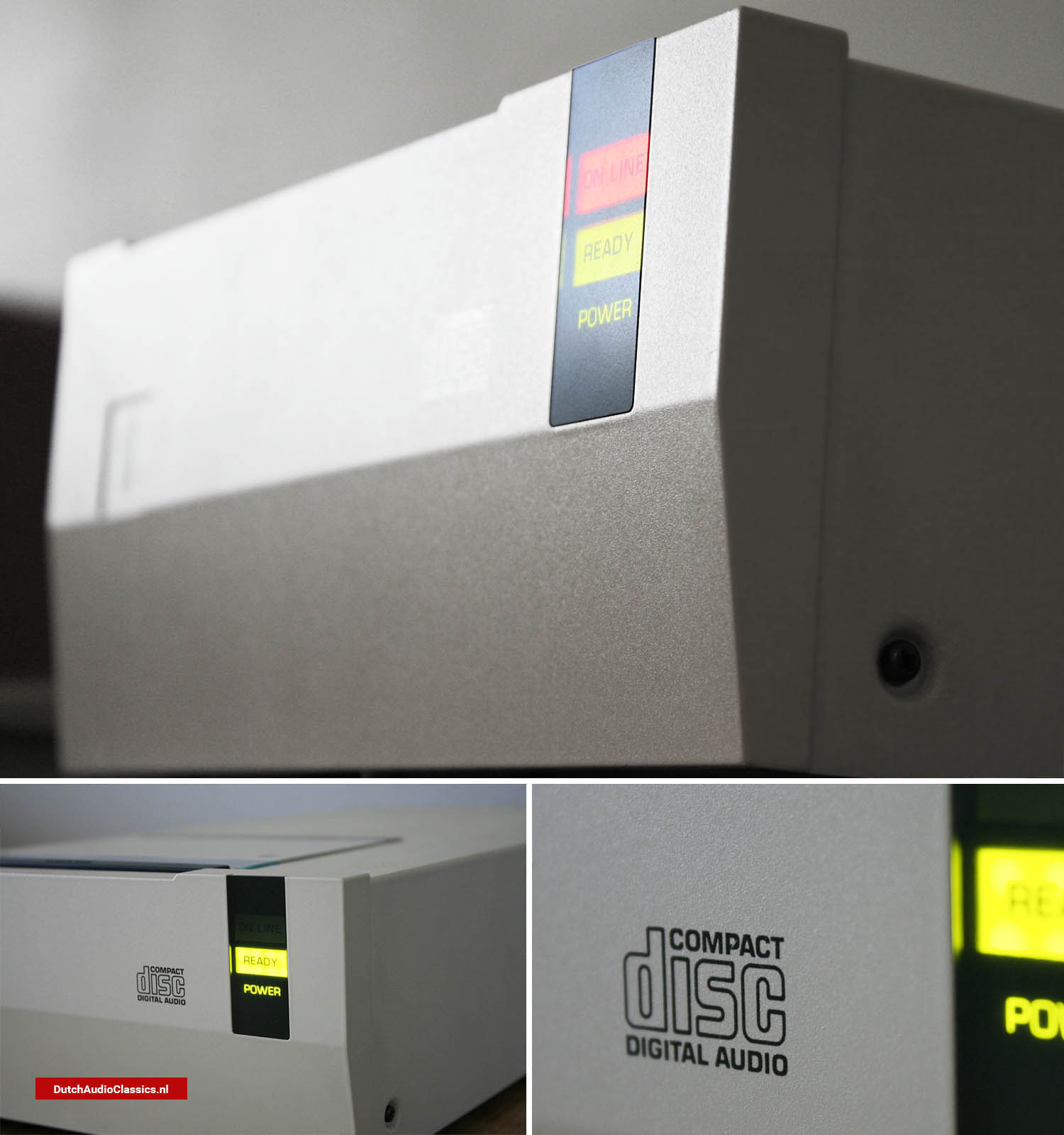 Philips LHH2001 cdplayer
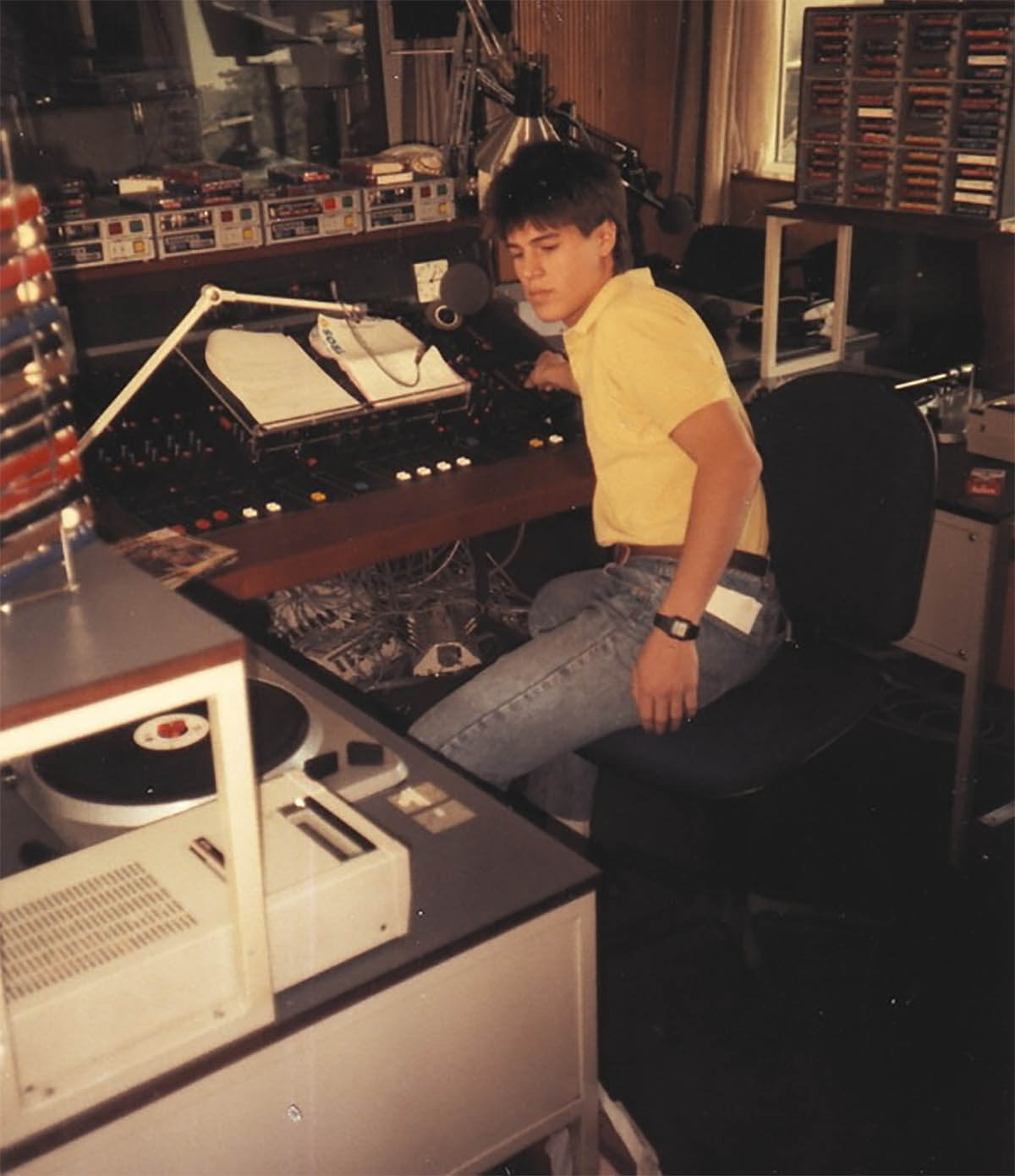 May 1987. Martijn Krabbé at the Dutch Hilversum 3 studio
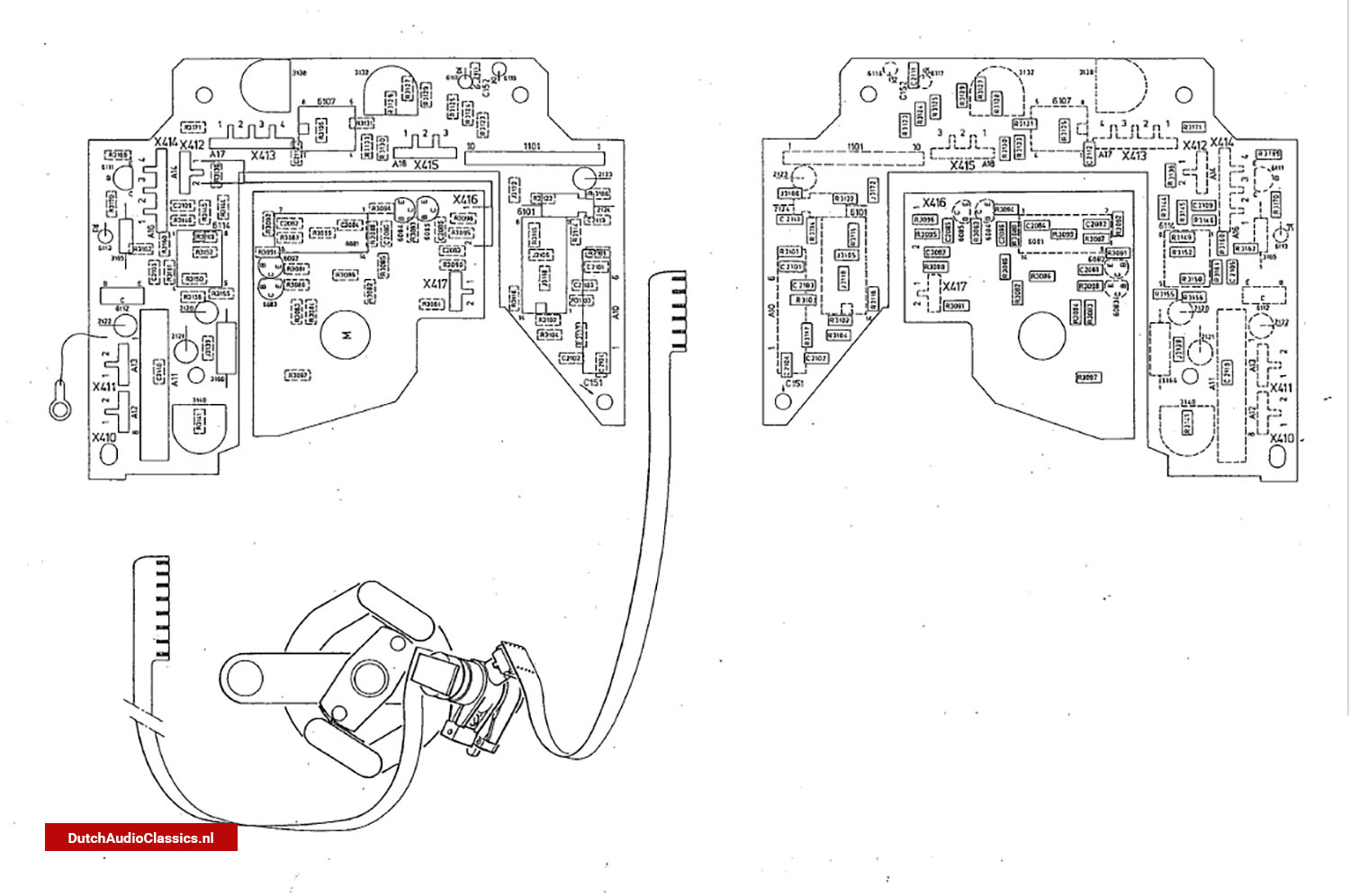 LHH2060 CDM-E - CD-mechanics with radial positioner
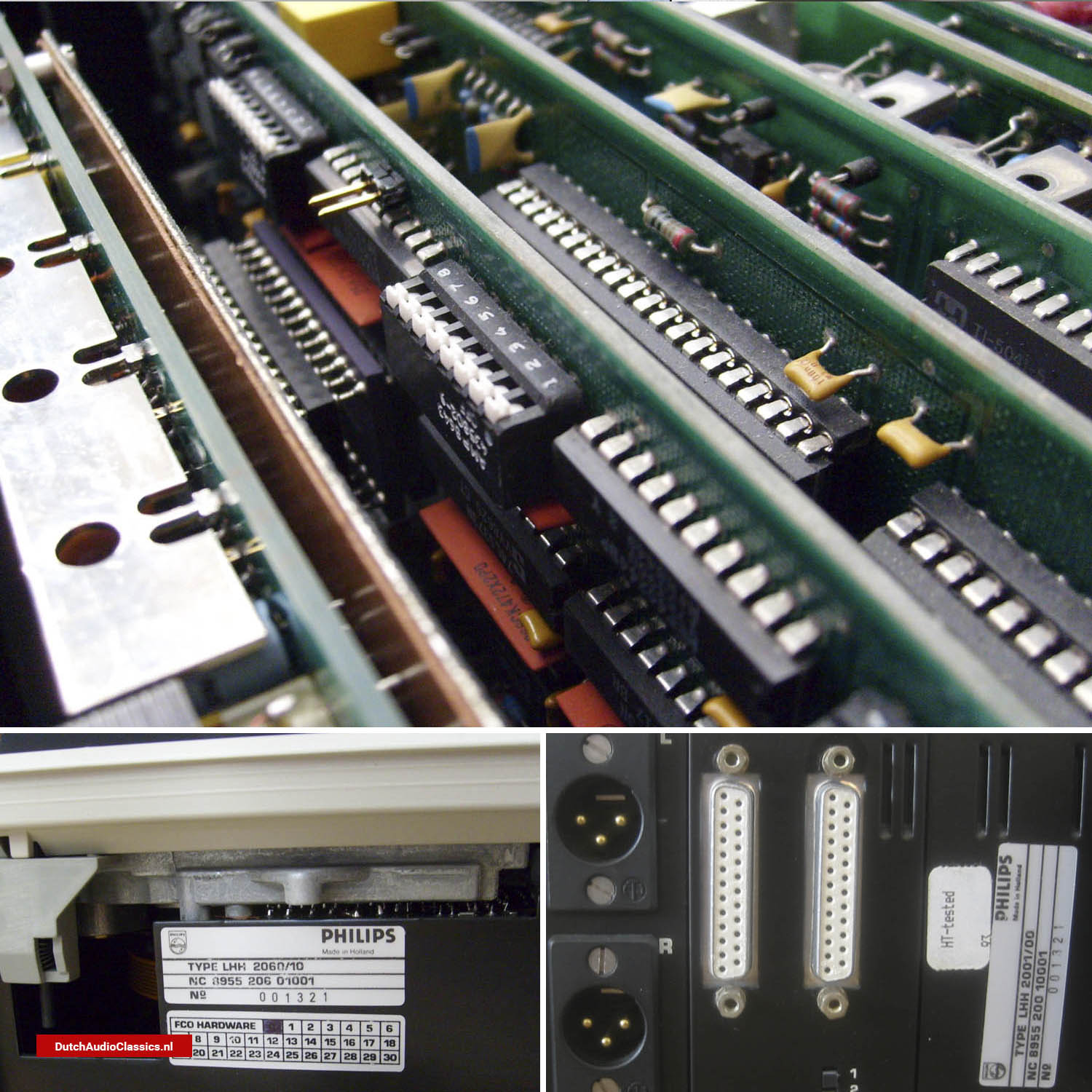
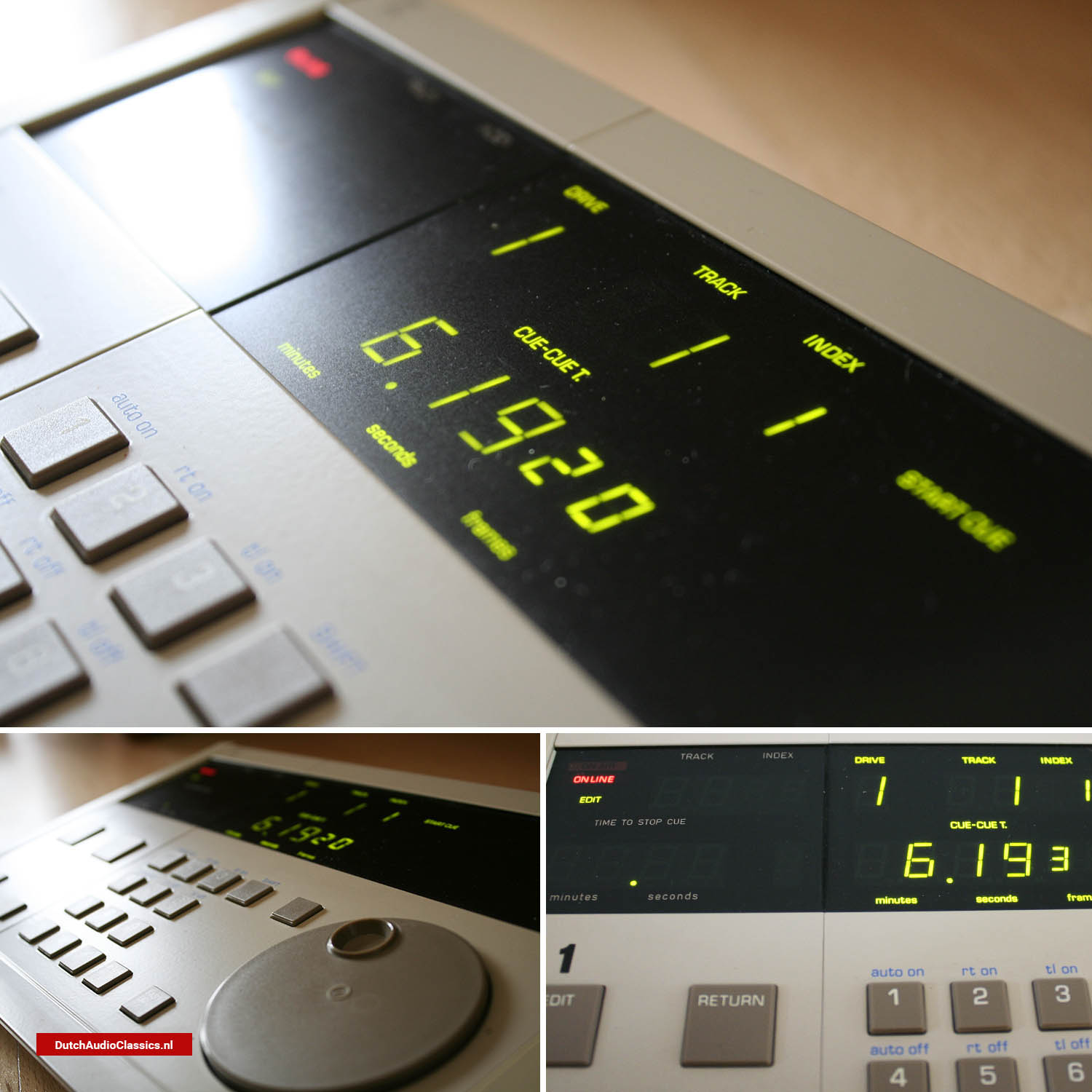 Philips LHH2501 function module and LHH2052 command module
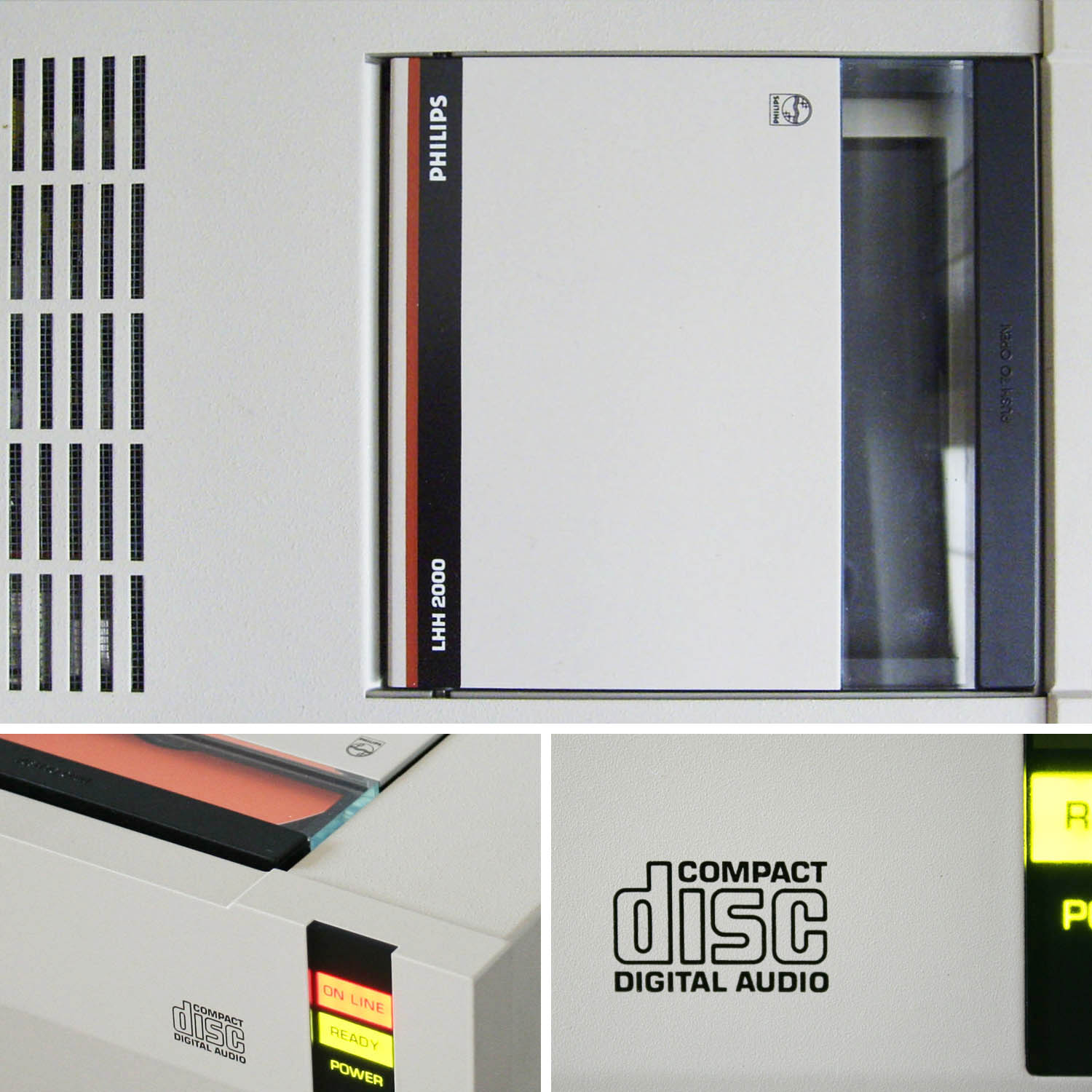 Philips LHH2001 compact disc player unit
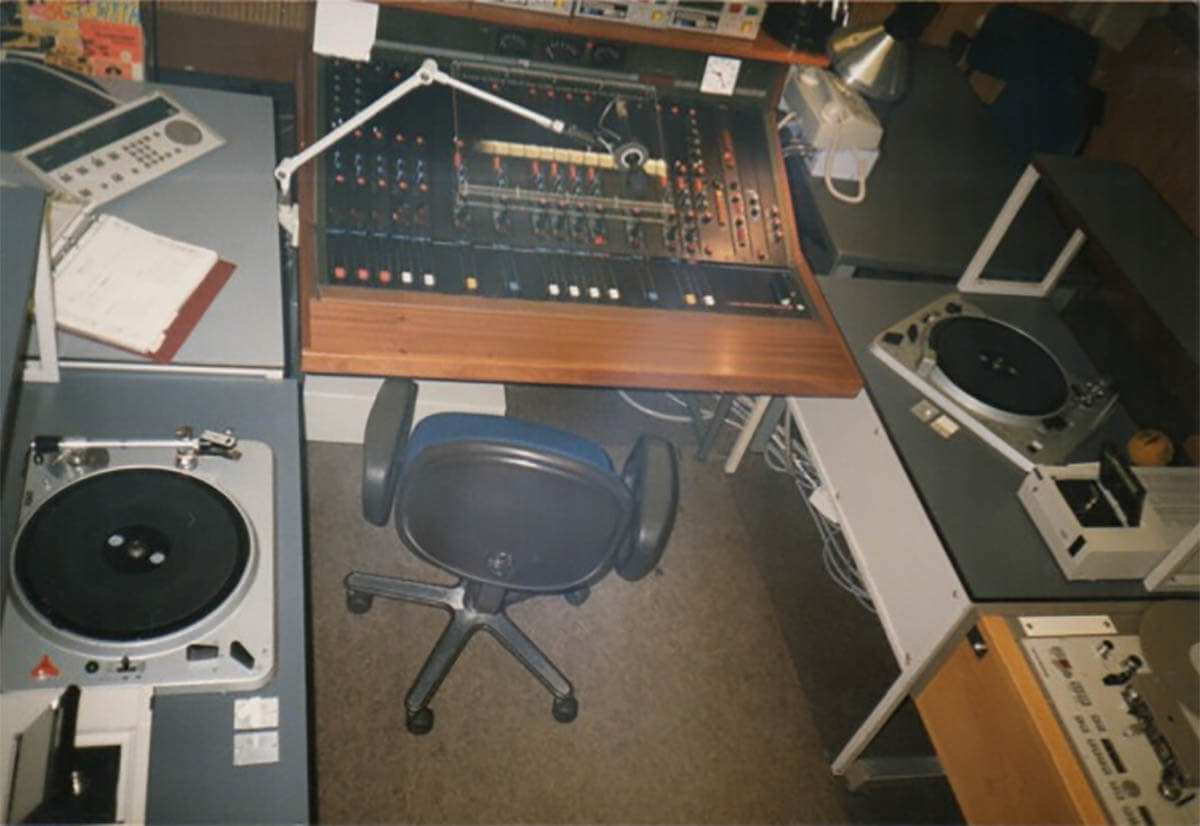 April 1987, the first MBI in the Dutch Hilversum 3 studio, showing 2 Philips LHH2000 broadcast cdplayers
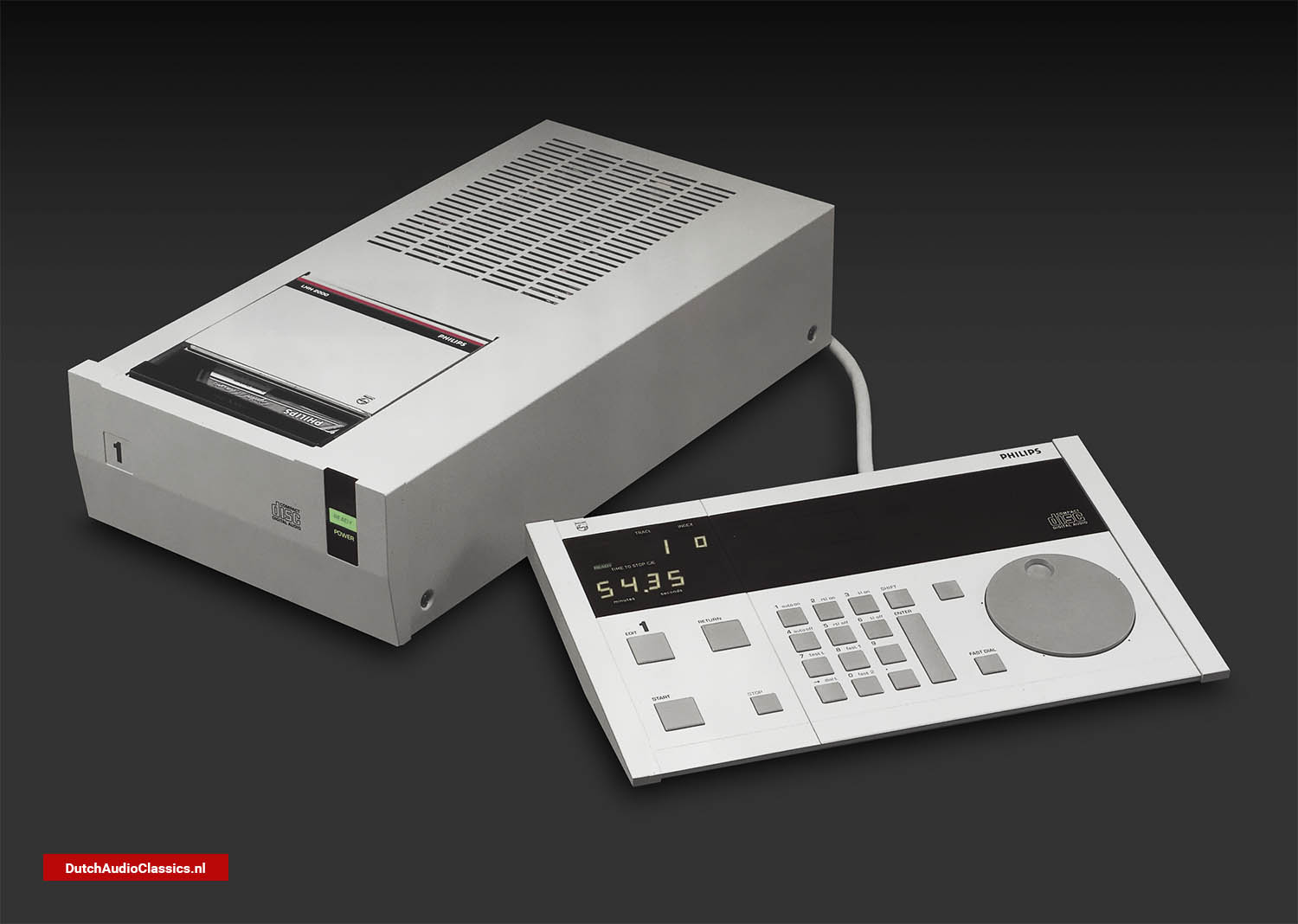 Philips LHH2000 professional compact disc system