When the Compact Disc appeared in the early 1980s, it was mainly seen as an industrial breakthrough. The promise was not only better sound, but control. The CD was built as a tightly defined system. The disc format, digital encoding, error correction, production process, and playback hardware were designed to work together as one structure.
In this world, measurement meant legitimacy. Specifications and error rates were not small details. They were proof of reliability. A CD was successful if it behaved the same everywhere in the world, within fixed limits. Consistency created trust.
Eindhoven played a key role in this early phase. It was not just a development site for hardware. It was where mastering processes, replication standards, and quality control were defined. The goal was simple: make reproduction predictable on a global scale. The CD became a symbol of industrial precision. Variation was something to eliminate, not to celebrate.
By the mid-1980s, the standard itself remained stable, but its interpretation began to change. Japanese manufacturers started to tell a different story. They focused less on technical compliance and more on listening experience. Power supply design, analog output stages, and mechanical construction became areas of differentiation. The conversation slowly moved from control to interpretation.
![Philips LHH series]()
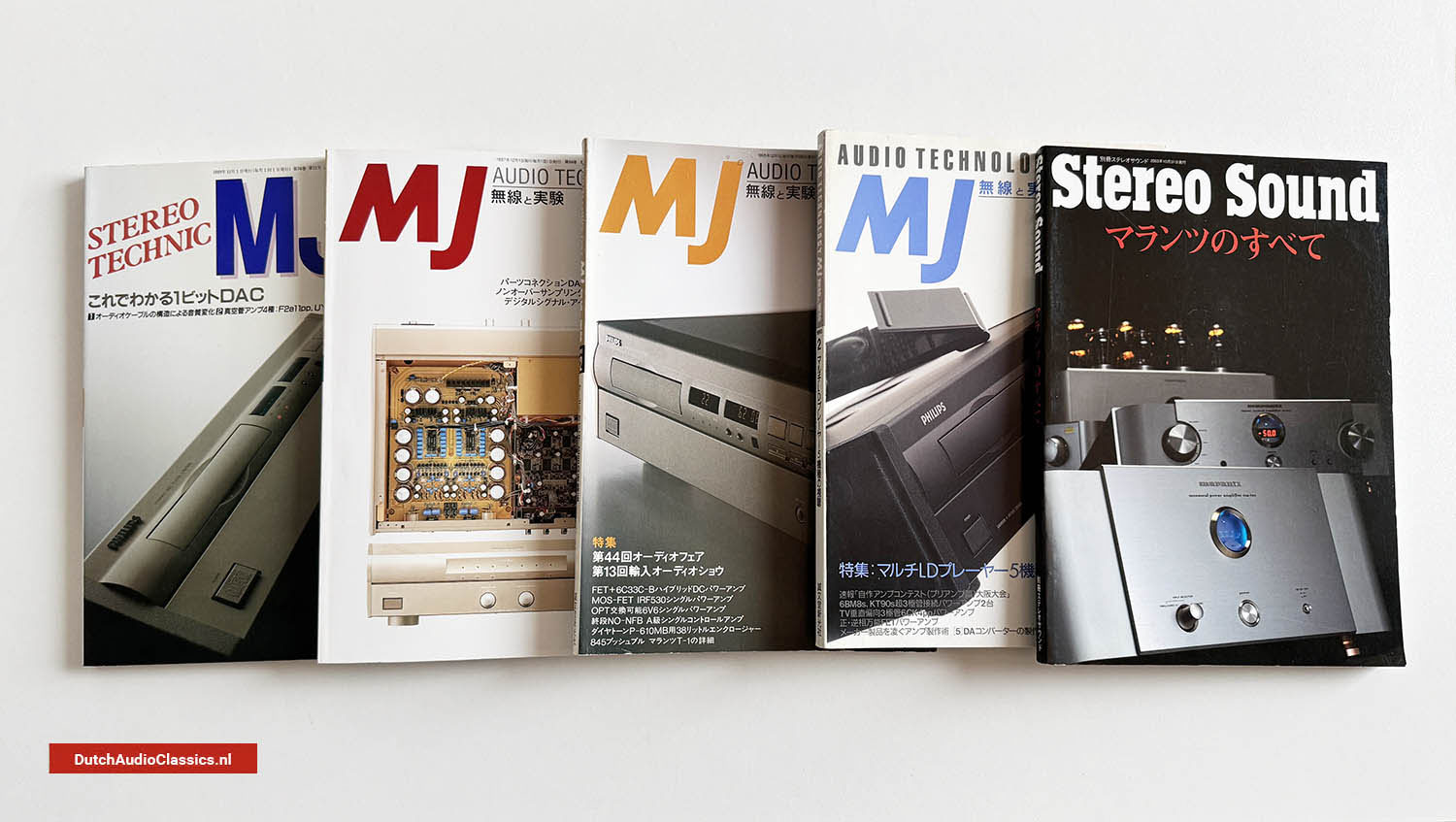
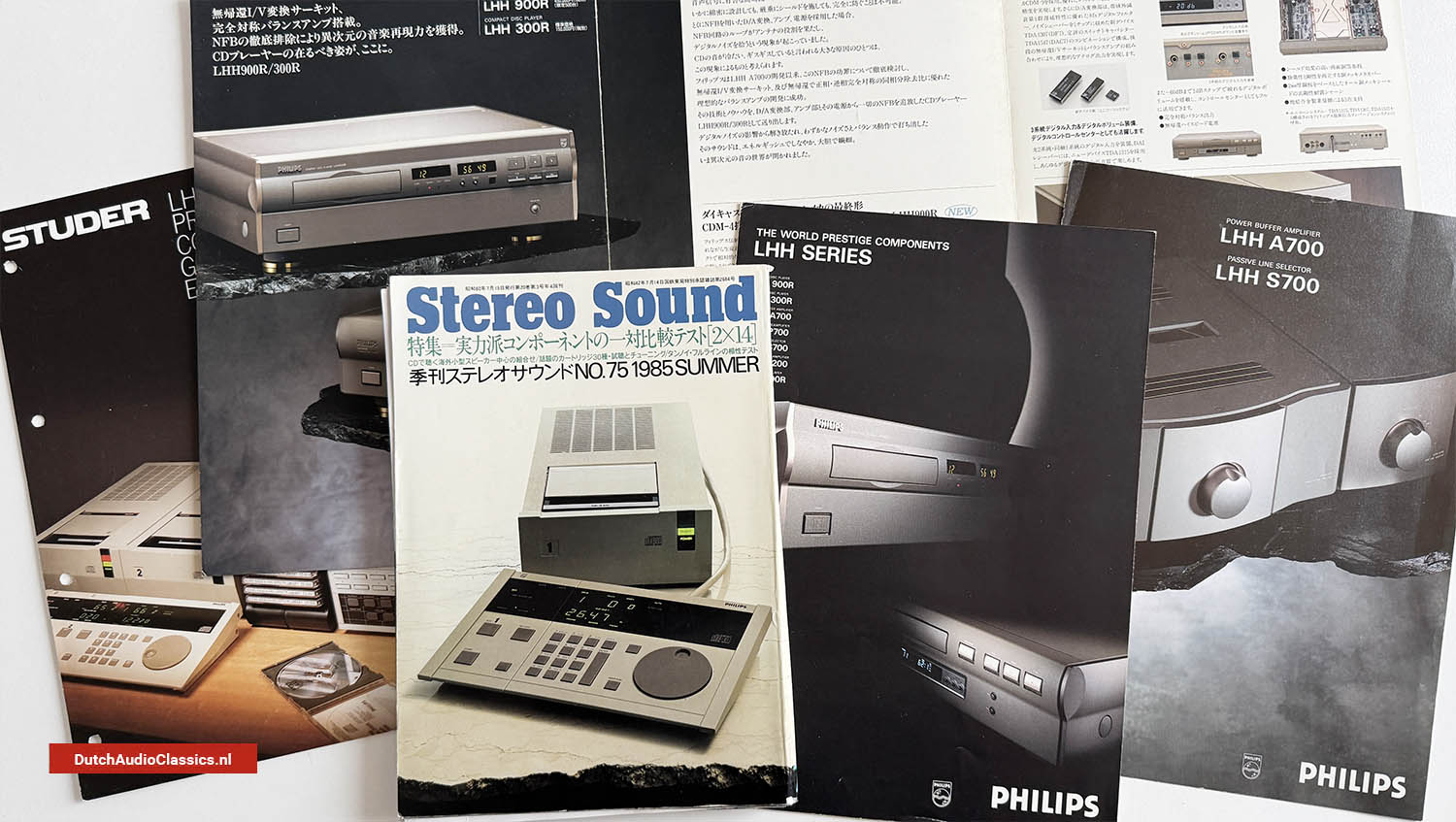
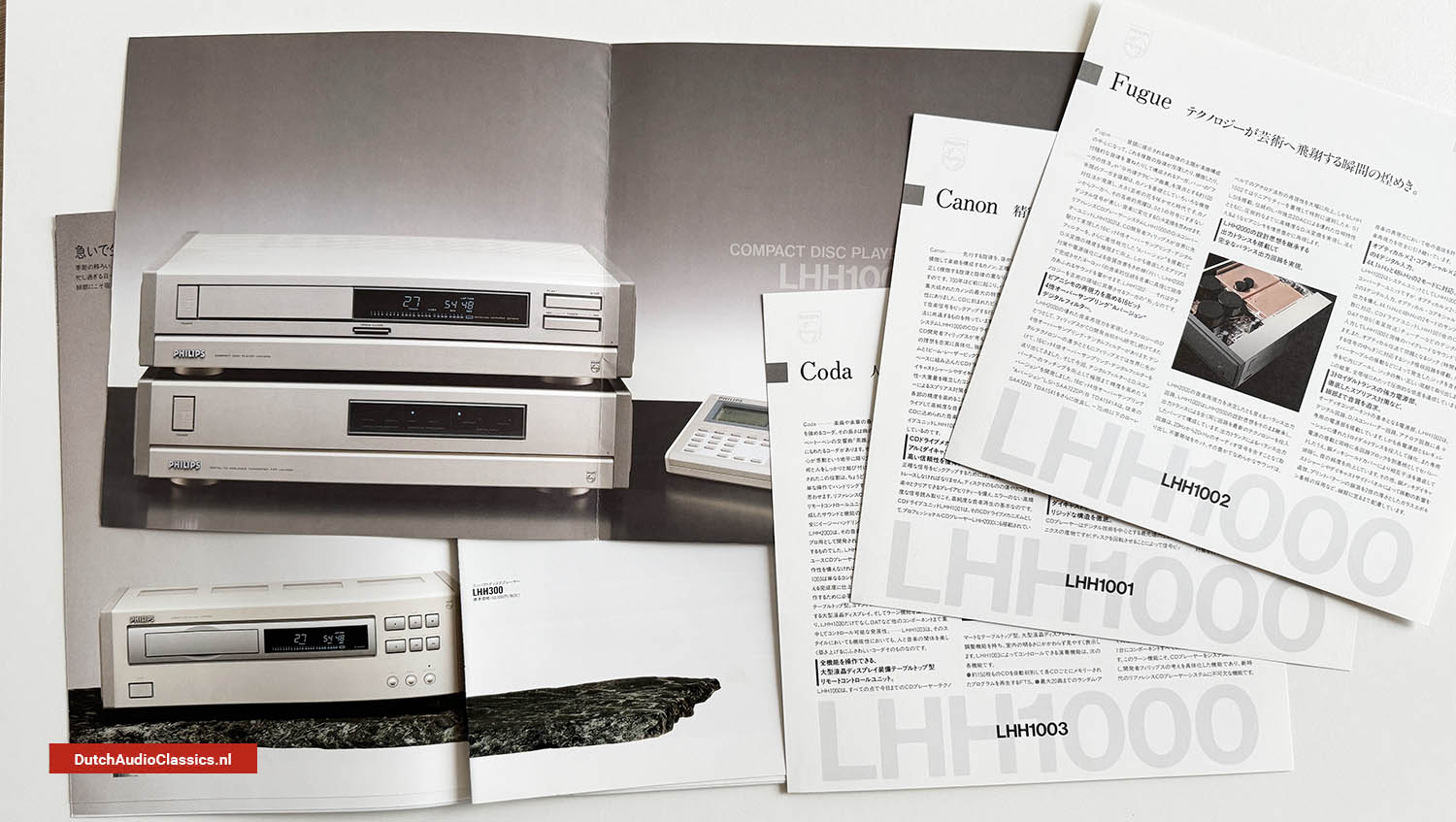
My interest in the Philips LHH series started many years ago. It grew out of a broader interest in Philips and in the early days of the Compact Disc. At first, the LHH models were just names and pictures I came across now and then. Over time, I began to look at them more closely. I wanted to understand where they came from, who worked on them, and why they were built the way they were.
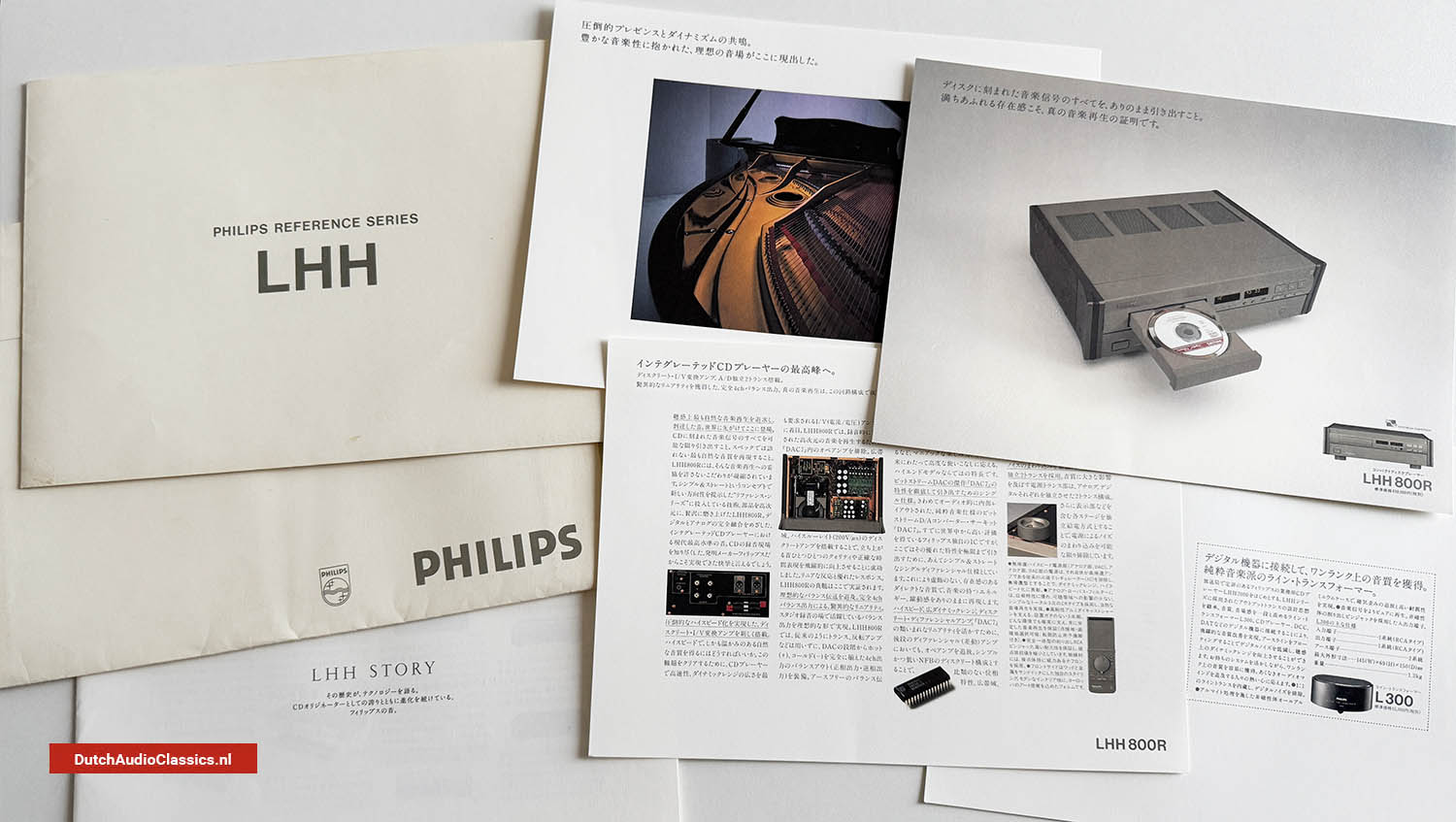
As I searched for information, I started to collect anything I could find. Brochures, magazine articles, technical notes, interviews, and old documents all added small pieces to the picture. None of them told the full story on their own. But together, they slowly helped me form a better understanding of what the LHH series represents.
That growing curiosity is what eventually led me to write these blogs. I wanted to bring the scattered information together and share a clearer understanding of the LHH series and its background.
![Philips LHH series]()
Philips as Architect of the Ecosystem
Philips held a special position in this landscape. As co-developer of the CD standard, it defined the system itself. It did not only build players. It set the technical framework within which all players operated.
The Philips LHH0400 mastering infrastructure and internal development standards formed the backbone of the CD ecosystem. Philips designed transports, digital processing solutions, and D/A converters. At the same time, it shaped the structure that gave these components meaning.
This approach was modular and systematic. Mechanics, digital processing, and analog output were treated as separate domains, but brought together in a clear architecture. The priorities were robustness, consistency, and scalability.
Yet this strength created a challenge. Being the architect of a standard does not automatically make you a high-end brand. Authority at the system level does not easily translate into prestige in the consumer market. Philips had to find a way to turn technical authority into premium identity. The LHH line emerged from that tension.
![Philips LHH series]()
The LHH Name as Earned Reputation
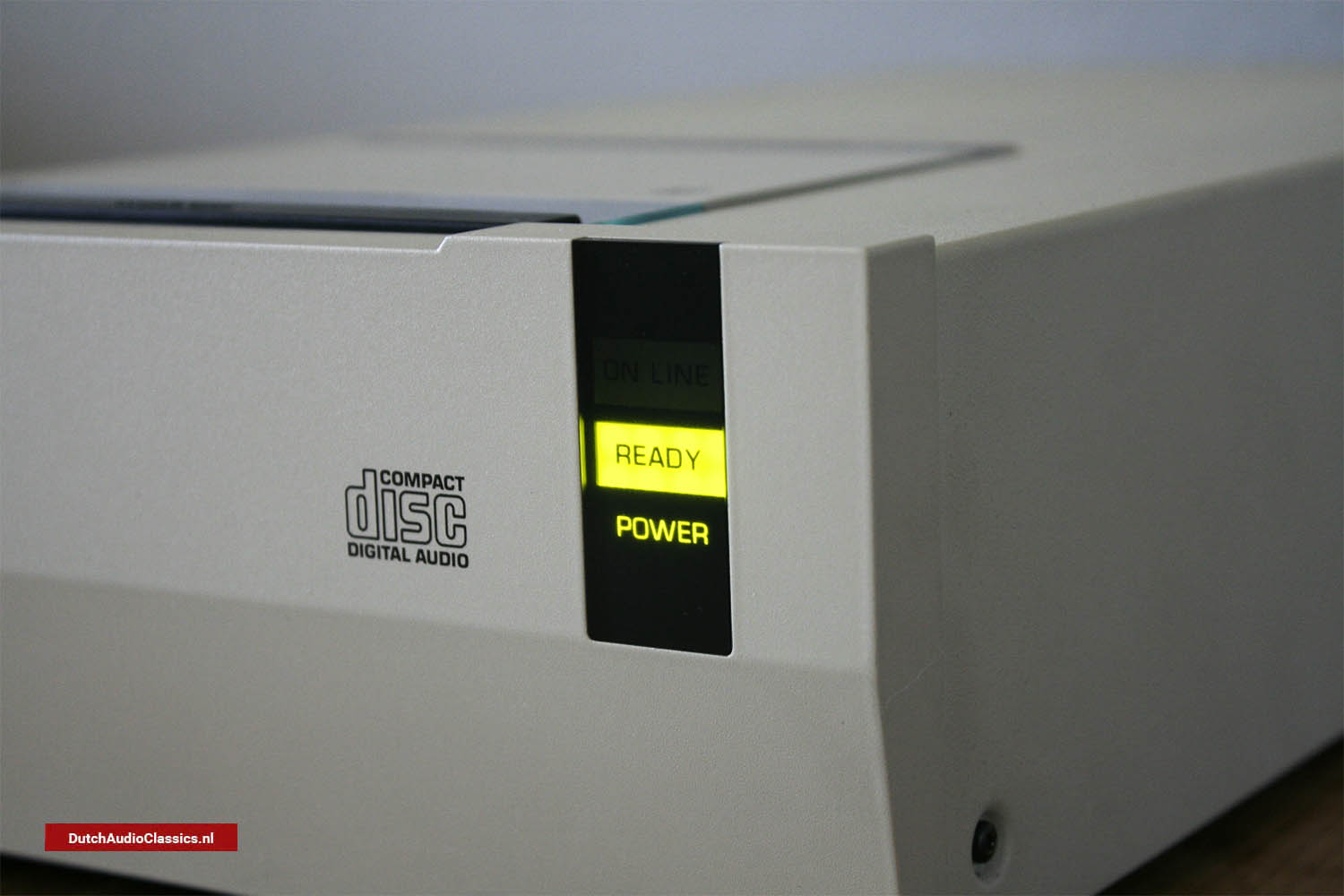
When the Philips LHH2000 appeared around 1984, it was not a luxury home player. It was a professional system built for mastering studios and broadcast use. The construction was modular. The transport, control section, and audio module were housed separately. The focus was on precision, stability, and easy servicing.
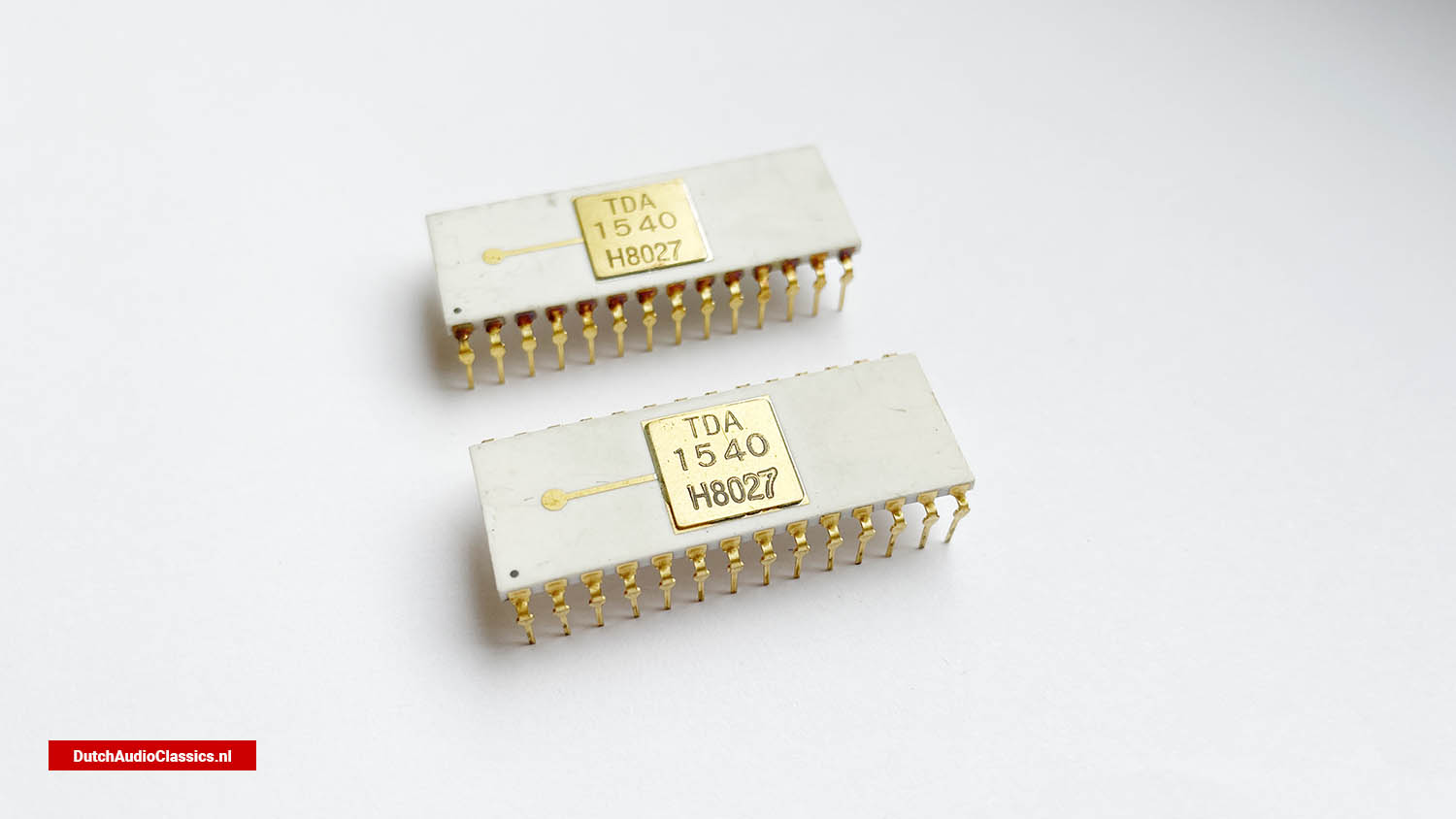
Technically, the system used the Philips CDM-0 and later the Philips CDM-1 swing-arm transports in their E-versions. Conversion was handled by the 14-bit Philips TDA1540 with digital oversampling. At the time, this was advanced and, more importantly, dependable technology. The LHH2000 was designed as a tool. Its reputation came from consistent performance rather than appearance.
In Japan, the player was received with unusual enthusiasm. The combination of European engineering and visible mechanical strength appealed to a market that valued technical seriousness. As a result, the name “LHH” began to carry weight. It came to suggest studio-grade quality and digital authority.
It is important to note that this reputation was not created by advertising. The LHH designation started as a technical platform name. Its status grew through professional use and word of mouth. Over time, the name itself became valuable within the Philips range.
Later LHH models for the Japanese market built on that reputation. But they were developed in a different time and under different conditions. They shared the name, yet not the same origin. The LHH2000 earned its status in professional practice. The models that followed would use that status in a new way.
![Philips LHH series]()
The Philips LHH1000 as a Consumer Translation
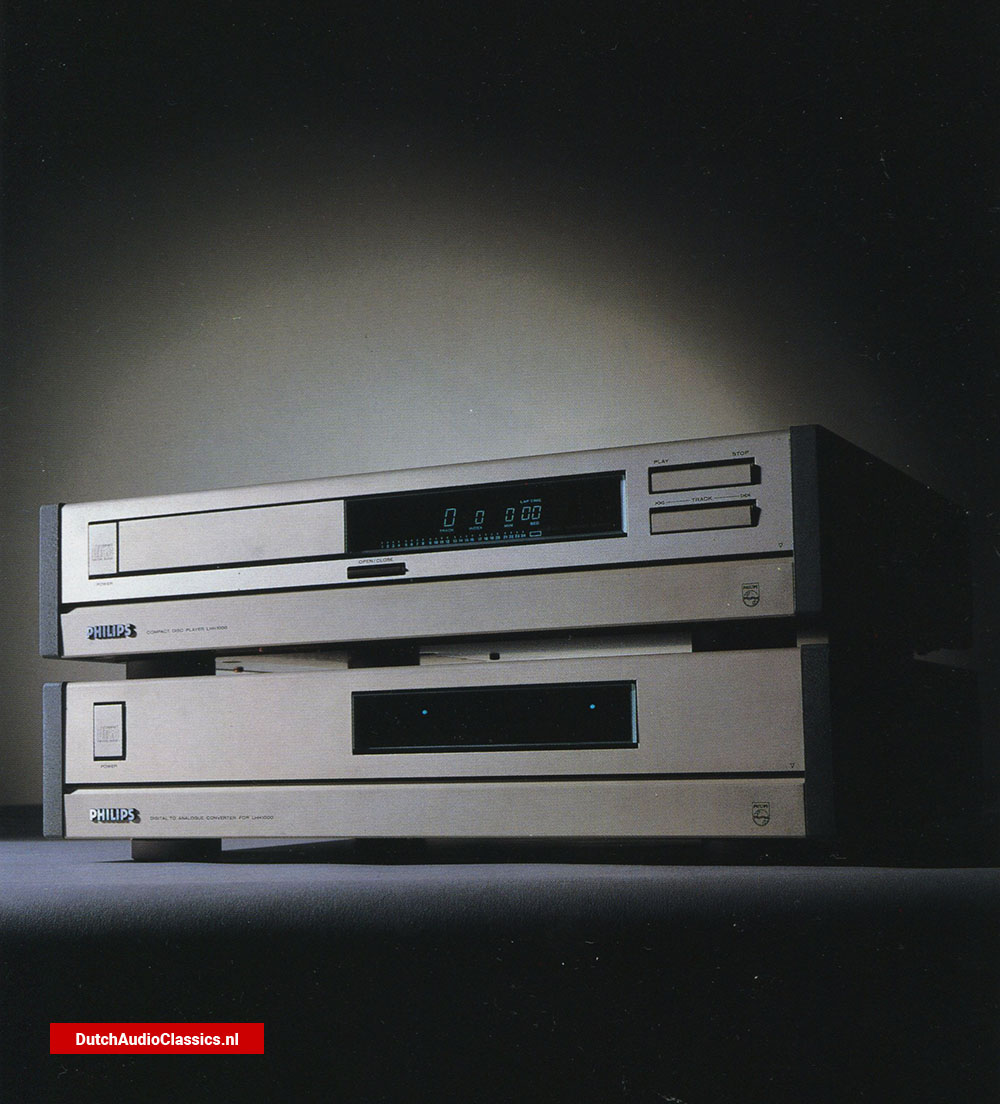
With the introduction of the Philips LHH1000, the LHH name entered the high-end consumer market. The system consisted of two separate units: the LHH1001 transport and the LHH1002 D/A converter. They were designed to work together, but remained physically separate.
This layout was deliberate. It reflected the modular structure of the LHH2000. Philips appears to have intended the LHH1000 as a home version of the professional concept. It was not identical to the studio system, but it carried the same message of technical care and separation of functions.
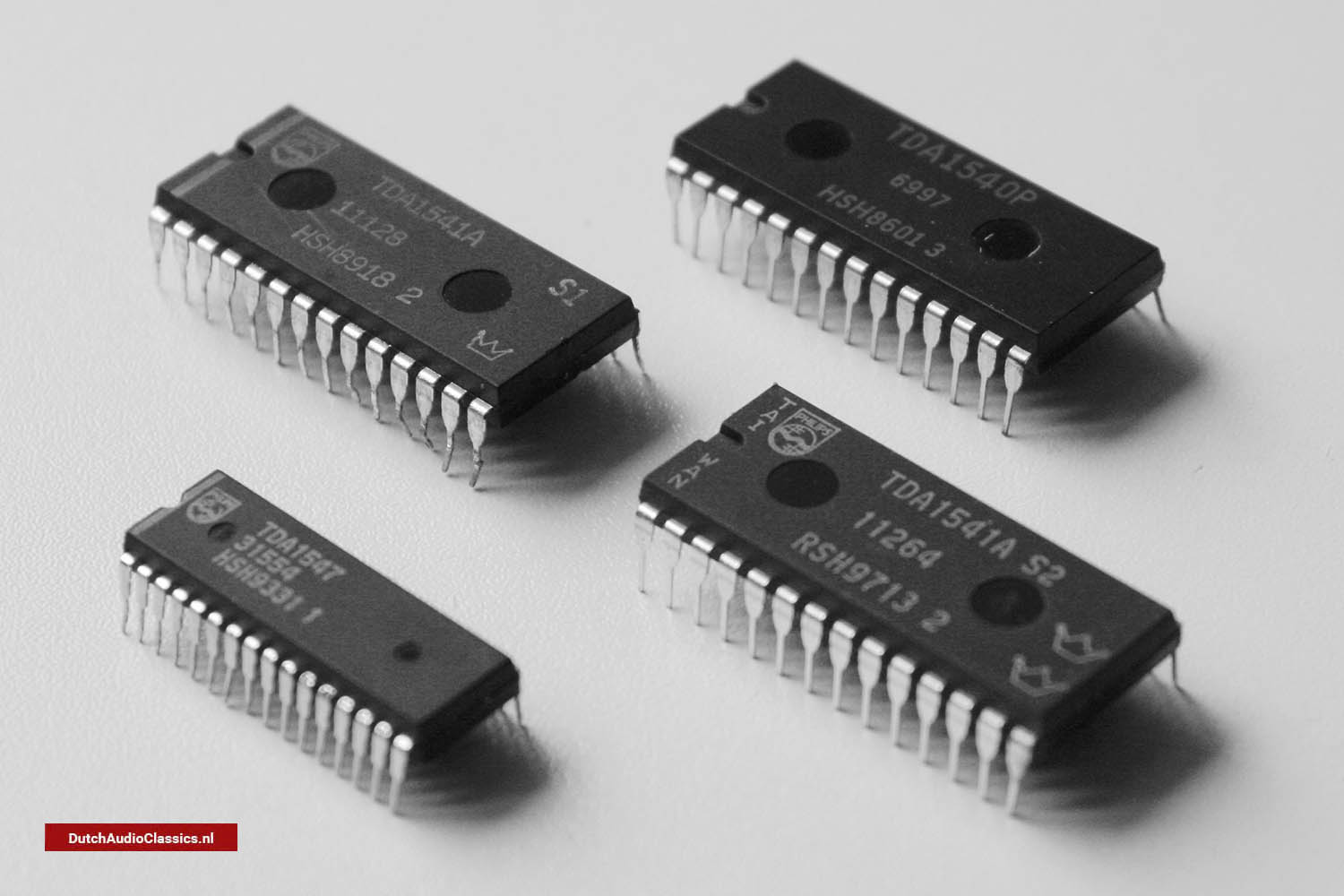
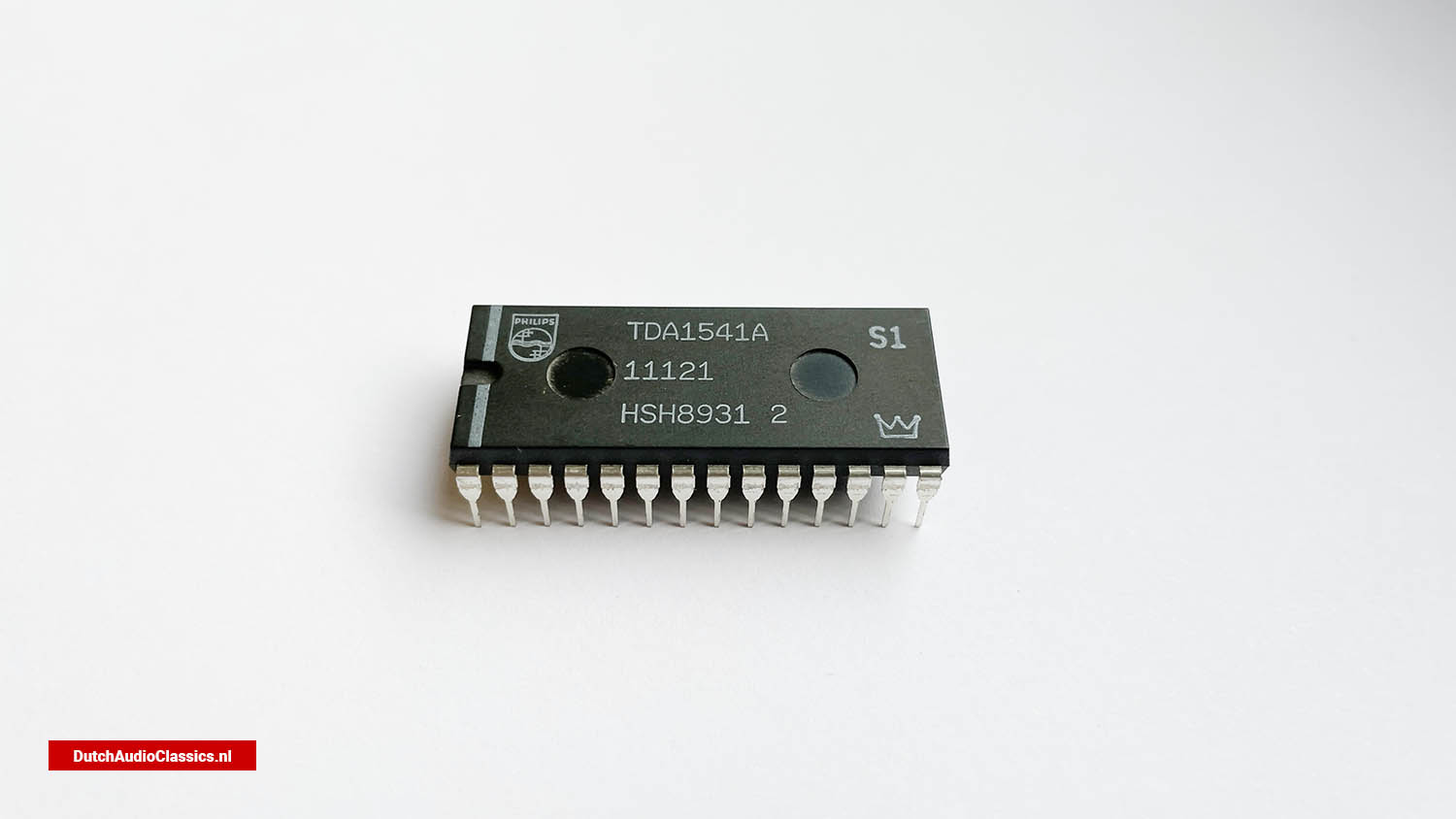
The LHH1000 used the Philips TDA1541A S1 Single Crown converter. This was a selected version of Philips’ well-known multibit design. The selection process aimed at tighter tolerances and consistent performance. In this way, precision remained part of the story.
The transport was based on the CDM-1 mechanism, built from cast aluminum. The solid construction added both reliability and visual weight. The system looked and felt serious.
Reports from Japanese audio magazines of the time suggest that the LHH name was used strategically. The prestige of the LHH2000 was extended into the consumer market. Professional credibility became a foundation for high-end positioning at home.
At this stage, the LHH designation carried strong symbolic value. It helped bridge the gap between studio authority and domestic audio.
A Shift Toward Japanese Execution
Although the LHH1000 relied on Philips digital technology, it was developed and manufactured in Japan by Marantz Japan.
This marked an important shift. The LHH name came from Philips and its European engineering tradition. But the final execution increasingly took place in Japan. Design choices, materials, and tuning were shaped there.
From this point on, implementation became more important than specifications alone. Power supply design, mechanical damping, chassis construction, and analog output stages gained greater attention. The overall build and sound philosophy mattered as much as the converter chip itself.
The LHH series began to move away from its purely professional roots. What started as a strategic use of the LHH2000’s prestige gradually became a more independent Japanese high-end line.
The name stayed the same. The context changed.
For that reason, the LHH models should not be seen as one continuous technical development. They are better understood as a bridge. First, a bridge from studio equipment to high-end consumer audio. Later, a bridge between European digital heritage and Japanese high-end craftsmanship.
![Philips LHH series]()
Understanding the LHH Series
What was the original purpose of the LHH series?
The LHH series originated from Philips’ need to establish a stable, reference-grade digital audio system for professional use. Its purpose was not to showcase innovation, but to create a predictable and controllable platform for critical listening and long-term operation.
How did Philips and Marantz differ in their contributions?
Philips approached the LHH systems as technical infrastructures, prioritizing system behavior, error tolerance, and consistency. Marantz later focused on translating these technical foundations into products that emphasized musical coherence and listening experience in domestic environments.
Why does the LHH series include more than just CD players?
The principles behind the LHH series were not limited to digital sources. They extended naturally into amplification and signal control, resulting in a family of components designed to behave coherently as part of a complete signal chain.
Generational Shifts in Technology
1984-1986: Multibit and Mechanical Stability
The early LHH models relied on heavy swing-arm transports such as CDM-0 and CDM-1. These mechanisms were built for durability and accurate tracking. Combined with multibit converters like the TDA1540, they reflected a belief in mechanical precision and discrete accuracy.
The logic was straightforward. If the disc was read correctly, the rest of the system could perform predictably. Each stage had a clear function within a controlled architecture.
1987-1988: TDA1541A S1 as Reference
With the TDA1541A S1, multibit technology reached maturity. The Single Crown selection meant tighter tolerances and better matching. In the LHH1000, the chip was carefully integrated within a dedicated analog stage, supported by stable power supply design.
During this period, Dutch engineering and Japanese execution were closely aligned. The technical foundation and the practical implementation strengthened each other.
1989-1996: Bitstream and Architectural Thinking
The introduction of Philips Bitstream technology marked a deeper change. With components like the SAA7321 and later the TDA1547 DAC7, Philips moved to 1-bit conversion and advanced noise shaping. Oversampling increased significantly.
Precision was now defined differently. It was no longer about resistor matching alone, but about system-level noise control. Filtering and analog stages became central parts of the design.
Models such as the Philips LHH700 introduced differential DAC7 implementations. Later models like the Philips LHH800R and Philips LHH900R used Non-Feedback analog stages. These designs reduced or eliminated global negative feedback and focused on local stability and phase behavior.
Non-Feedback was both technical and philosophical. Technically, it aimed to improve transient response and phase integrity. Culturally, it reflected a high-end preference for simplicity and signal purity. The focus shifted from the chip itself to the total architecture.
![Philips LHH series TDA1541 TDA540 TDA1547]()
From Tool to Ritual Object
The design language of the LHH series changed over time. Early models were practical. They were built for serviceability and predictable performance. They looked like instruments.
Later Japanese-developed models placed more emphasis on presence. Chassis became heavier. Power supplies were separated and shielded. Internal layouts divided digital and analog sections. Transformers and regulation stages became visible design statements.
Power supply design became a key differentiator. Engineers focused on isolation, decoupling, and mechanical damping. The idea was clear: sound quality depends on the integrity of the entire system, not on a single component.
Authority shifted in the process. At first, Philips derived strength from defining the standard. Later, authority came from interpretation and execution.
A Broader Technological Narrative
The LHH series shows how authority can shift within a technological ecosystem. Philips started as the architect of the CD standard. It defined the rules. But as the market matured, differentiation depended more on interpretation than authorship.
The product range evolved from a professional lineage into a diverse portfolio. Some models acted as technical flagships. Others strengthened Philips’ high-end position. Together, they formed part of a broader strategy.
More generally, the LHH story reflects a wider shift in digital audio. The debate moved from technical correctness to implementation and listening experience. The focus expanded from compliance to character.
Where Truth Resides
This leads to a fundamental question. Where does truth in digital audio lie? In measurable precision or in interpretation?
Without strict standardization, the CD would not have gained trust. Measurement created the foundation. But once the standard was stable, different interpretations became possible.
Both dimensions are necessary. Measurement provides structure. Interpretation gives meaning.
The LHH series represents this transition. It began with industrial certainty and matured into high-end diversity. More than a sequence of CD players, it reflects a moment in technological history when authority shifted from defining the system to shaping its realization.
This page documents a historical and technical exploration of the Philips LHH series, tracing its professional origins, design philosophy, and lasting influence on high-end digital audio.
Individual pages within the Philips LHH series
Over time, the LHH series grew into more than a single design. Each player, and each voice behind it, reflects a slightly different moment, choice, or way of thinking. The pages below look at those differences in more detail, without trying to turn them into a fixed story.
Philips LHH2000 professional compact disc player system
The LHH2000 shows how Philips continued refining its ideas around high-end digital playback. It feels less experimental than earlier models, but more settled. Looking at the LHH2000 helps place the series in a broader context, where early choices gradually turned into established design decisions.
Read the dedicated article on the Philips LHH2000
Philips LHH1000
The LHH1000 sits close to the starting point of the series. It reflects a time when digital audio was still being carefully shaped, and when many things were not yet taken for granted. This article focuses on living with the LHH1000 over time, rather than treating it as a fixed reference.
Read the full context of the Philips LHH1000
Interview with Tetsu Suzuki
In this interview, Tetsu Suzuki reflects on design choices and working methods behind Philips’ high-end audio projects. His observations help explain why certain solutions were chosen, and how listening, engineering, and long-term thinking were closely connected.
Read the interview with Tetsu Suzuki
Interview with Takashi Sato
Takashi Sato offers insight from inside the development environment where the LHH series took shape. His perspective adds nuance to the technical story, showing how decisions were made in practice, often balancing ideal solutions with real-world constraints.
Read the interview with Takashi Sato